
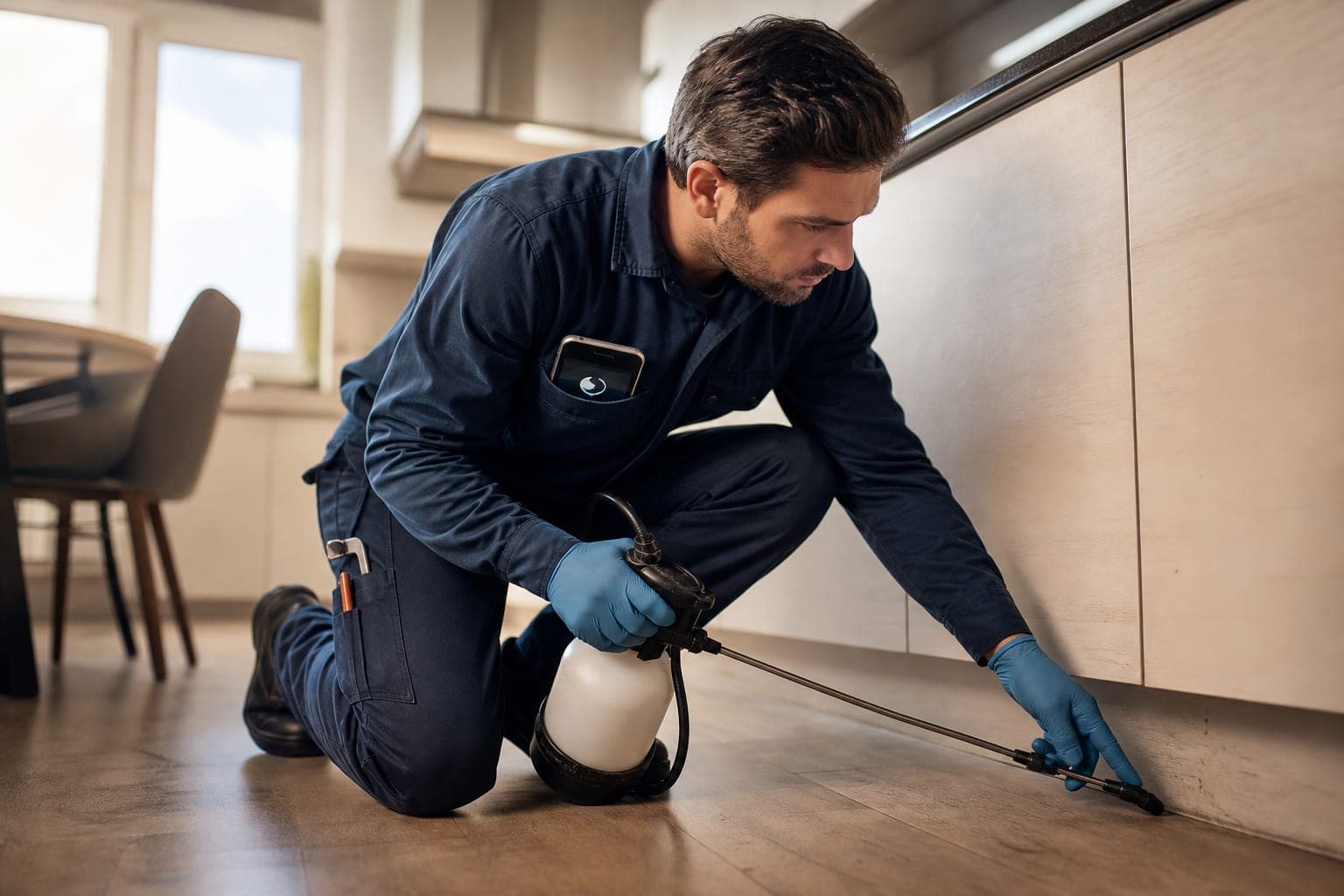
Pest Control Phone Automation: Intake, Triage and Scripts That Book Urgent Calls
How pest control companies should answer, triage and book calls: pest-by-pest intake questions, scripts, after-hours rules, and what to automate first.
Pest calls are different from most service calls because the caller is usually upset. They just saw a mouse run behind the stove, found a line of ants in the pantry, got stung taking out the trash, or noticed winged insects near a window sill. They want a voice that sounds calm and competent, and they want a time on the calendar. This guide covers how to handle those calls well: what to ask for each pest, what to say, how to triage, and which parts of the phone process are worth automating.
What Pest Control Calls Actually Look Like
Most calls into a pest control office fall into a handful of patterns. Knowing which one you have in the first 20 seconds tells you which questions to ask.
Pest-by-Pest Intake Questions
A short, pest-specific intake helps the technician arrive with the right products and equipment. Keep it to what changes the job.
Rodents
Callers often ask how to clean up droppings before you arrive. Do not improvise. The CDC's rodent clean-up guidance says not to sweep or vacuum droppings, and to soak them with a bleach solution or an EPA-registered disinfectant for 5 minutes first. Your phone staff can point callers to it.
Ants and roaches
Stinging insects
Possible termites
Many callers who report termites actually saw flying ants. The EPA's termite page notes that ant swarms are sometimes mistaken for termites, and explains the wing and antenna differences. Do not diagnose on the phone. Book the inspection, and if the caller can send a photo by text, ask for one. The same EPA page notes that firms offering termite services must be licensed by the state, so have your license number ready for callers who ask.
Bed bugs
Bed bug callers are often embarrassed and anxious. Keep your tone matter-of-fact. If they are worried about illness, the EPA states that bed bugs have not been shown to transmit disease, which is worth knowing, though it does not make the problem less urgent for the person living with it.
Scripts for the Most Common Calls
Greeting
"Thanks for calling [Company], this is [Name]. What are you seeing?"
"What are you seeing" gets the caller describing the problem immediately, which is what they called to do.
The upset caller
"That's no fun at all, and you're not the first person to call about it this week. We handle this all the time. Let me get a couple of details and get someone out to you. Where in the house did you see it?"
The goal is to normalize the problem without dismissing it. People who just saw a rodent want to hear that this is routine work for you.
The price question
"Our inspection is [fee]. For [ants, roaches, spiders] we offer [one-time treatment price] or our [quarterly plan] at [price], which includes free re-treatments between visits if they come back. For [termites, bed bugs, wildlife], the tech will inspect and give you an exact price before any treatment. Would you like to book the inspection?"
The stinging insect call
"Is anyone in your home allergic to stings? ... Okay. Until we get there, keep people and pets away from the nest and don't try to spray it yourself, since that can make them aggressive. I can have someone out [time]."
If anyone reports trouble breathing or swelling after a sting, the right answer is to tell them to call 911, not to book a technician.
The returning-pest complaint
"I'm sorry they're back. Your plan includes re-treatment, so there's no charge for this visit. When can we come by?" Then flag the account for the technician who did the last service.
Triage Rules: Emergency, Same Day, or Next Available
Define these before the busy season, not during it.
| Situation | Priority | Action |
|---|---|---|
| Sting with breathing trouble or swelling | Medical emergency | Tell caller to call 911 |
| Active stinging nest by a door, known allergy in home | Same day | Book first available, notify owner |
| Wildlife inside the living space, bat in a bedroom | Same day | Book or refer to your wildlife partner |
| Rodent activity, ongoing ants or roaches | Next available | Book treatment, offer recurring plan |
| Possible termites, home sale deadline | Next available, note the deadline | Book inspection before the closing date |
| Bed bugs | Within a few days | Book inspection, send prep instructions by text |
| Single spider or occasional insect | Next available | Book or offer plan |
| Existing customer complaint | Same day callback | Route to service manager |
If you do not do wildlife work, have a referral partner you trust. Saying "we don't do that, try someone else" leaves the caller with nothing. Saying "we don't handle bats, but [partner] does, here's their number" earns goodwill and sometimes referrals back.
Seasonal and After-Hours Patterns
Pest activity shifts with the weather in your region, and your call mix shifts with it. Stinging insects and ant calls tend to rise in warm months; rodent calls often pick up when temperatures drop and animals look for shelter indoors. Track your own call log by month for a year and you will know when to staff up and when to push recurring plans.
After-hours calls are usually not emergencies, but they are high intent. Someone who just found mouse droppings at 10 PM wants to know a technician is coming. A booked appointment and a confirmation text settles that. A voicemail does not. For more on setting this up, see our after-hours call handling guide.
What to Automate First
You do not have to automate everything at once. In order of payoff, most pest control companies should automate:
1. Answering every call. No voicemail during business hours, and no voicemail after hours for new customers.
2. Booking routine treatments and inspections. These follow predictable rules and fill the calendar.
3. Confirmation and reminder texts. Include prep instructions for bed bug and cockroach treatments, gate codes, and pet notes.
4. Recurring plan renewals and reschedules. Existing customers moving a quarterly visit should not need a human.
5. Owner summaries. A text after each call with the pest, the address, the urgency and what was booked.
Callbook does this as an AI phone receptionist for pest control: it answers around the clock, asks the pest-specific questions you configure, books into your calendar, and can text you a summary of each call. Complaints, commercial bids and treatment questions it routes to you. For a comparison of AI and live answering services in this trade, see our pest control answering service page.
Mistakes to Avoid
Diagnosing from a description. "It's probably just flying ants" sometimes turns out to be termites. Book the inspection.
Giving treatment advice you cannot stand behind. Telling a caller to spray something before you arrive can complicate the treatment and expose you to liability.
Hiding the price. Callers who cannot get any number tend to call the next company. Quote your inspection fee and plan prices.
Forgetting access details. Gate codes, dogs in the yard and locked sheds cause wasted trips. Ask on every booking.
Treating the existing customer like a new lead. A customer with a recurring plan calling about a problem expects you to know them. Look up the account first.
Bottom Line
Pest control phone calls reward speed and calm. Know your call types, ask the questions that change the job, triage with written rules, and make sure every new caller ends the call with a time on the calendar. Whether a person or an AI answers, those fundamentals are what turn an anxious caller into a recurring customer. If you want to estimate what unanswered calls cost your company, try the missed call revenue calculator.
Frequently asked questions
Which pest control calls should go to a person right away?
Stinging insects near someone who reports an allergy, wildlife loose inside the living space, complaints from existing customers, and large commercial accounts. Everything else, including most ant, roach, spider and rodent calls, can be booked by whoever answers using clear rules.
Should we quote prices on the first call?
Quote what is fixed: your inspection fee, your general pest plan, and one-time treatments you price flat. For termites, bed bugs and wildlife exclusion, quote the inspection and explain that the treatment price depends on what the technician finds.
What can an AI receptionist handle for a pest control company?
Answering every call, asking pest-specific intake questions, booking inspections and treatments, quoting your published prices, collecting gate codes and pet details, and texting the owner a summary. Treatment chemistry questions and complaints are better routed to a technician.
How do we handle after-hours calls without being on call every night?
Define a short list of true emergencies that page someone, and book everything else into the next available slot. Most after-hours pest calls are people who just found the problem and want to know someone will come, which a booked appointment and a confirmation text answers.
Related Articles
Best Answering Service for Pressure Washing Companies (2026)
Compare pressure washing answering services for 2026: call centers vs virtual receptionists vs AI ($149/mo). Surface, square-footage, and weather intake.
Best Property Management Answering Service (2026)
Property management answering service guide: triage after-hours tenant emergencies, book showings and compare live vs. AI costs. For landlords and managers.

Best Answering Service for Real Estate Agents (2026)
Compare answering services for realtors and real estate offices. Capture buyer and seller leads 24/7, schedule showings, and never miss a listing inquiry.